Cauliflower Coral
Pocillopora damicornis
A reef-building coral of the Indo-Pacific, now carrying the warning that reefs themselves are under stress.
Wear it on a T-shirt


T-shirt Regular Unisex Navy Blue
₹899The coral that builds shelter
Cauliflower Coral (scientific name: Pocillopora damicornis) is a reef-building stony coral of the warm, shallow waters of the Indian and Pacific Oceans. Its dense, bushy branches crowd together like a head of cauliflower, creating small caves, edges, and shelter inside the reef.
Its conservation status is Endangered. That label is striking because this is not a rare animal hidden in one valley. It is a reef-builder, and reef-builders are in trouble when the conditions that let reefs grow begin to fail.
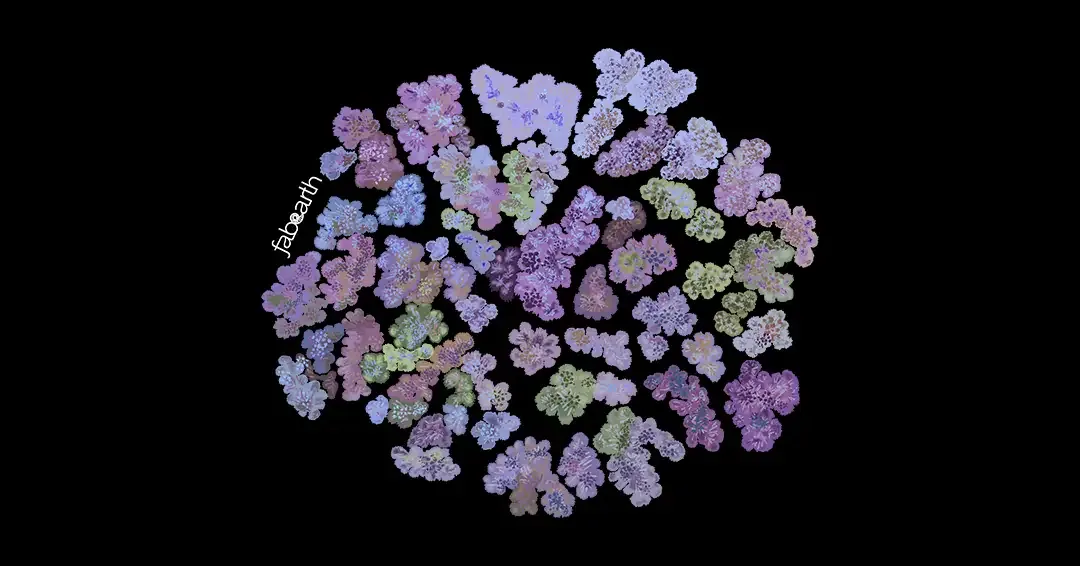
Like many reef corals, it lives in partnership with tiny algae that give it both colour and food. When seawater stays too warm, the coral expels these algae and turns pale or white — the process known as bleaching. If the heat lasts too long, the coral can starve.
That is what makes a coral status page different from many animal pages. The threat is not only to one species. Repeated marine heatwaves, ocean acidification, pollution, sedimentation, and destructive coastal change can weaken the reef system that the coral is part of.
Why reef architecture matters
Corals are the architects of the reef. By building and maintaining structure, Pocillopora damicornis creates habitat, shelter, and nursery grounds for fish, crabs, molluscs, and many other reef animals. A coral colony is small, but the space it creates can hold a crowded city of marine life.
Healthy coral cover also softens waves, helps buffer coastlines from storm surge and erosion, and supports fisheries and coastal communities. The health of a single colony is, in miniature, the health of the ocean around it.
Why this is not distant news
Cauliflower corals of the genus Pocillopora are part of India's own reef heritage, found among the coral systems of the Andaman and Nicobar Islands. That makes reef decline more than a faraway image of bleaching in another ocean.
Protecting corals means slowing warming, but it also means reducing local stress where action is possible: cleaner coastal water, less sediment, careful reef tourism, and stronger protection for the places where coral colonies still have a chance to recover.