Vaquita
Phocoena sinus
The rarest marine mammal alive — a last handful in Mexico's Upper Gulf.
Wear it on a T-shirt
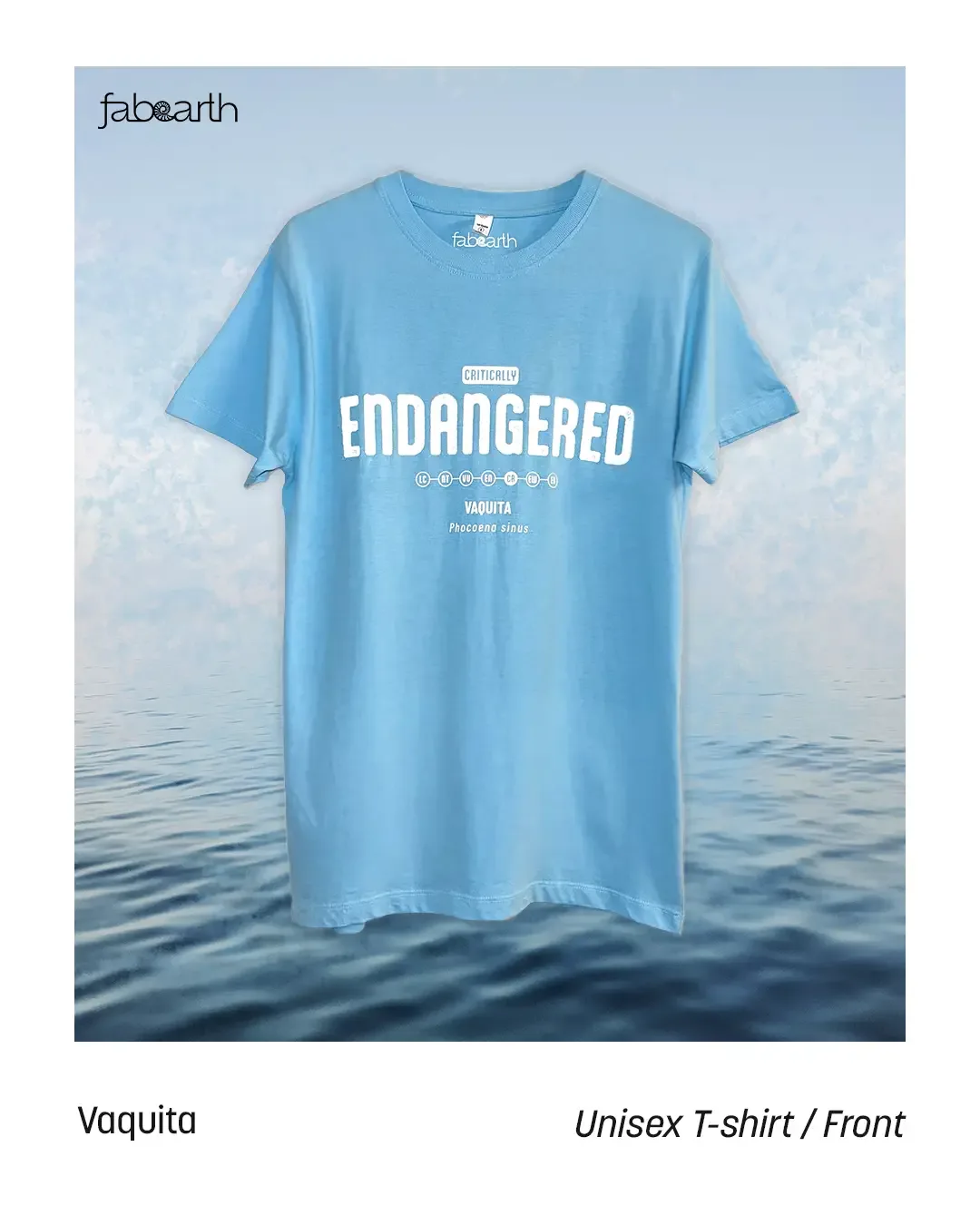
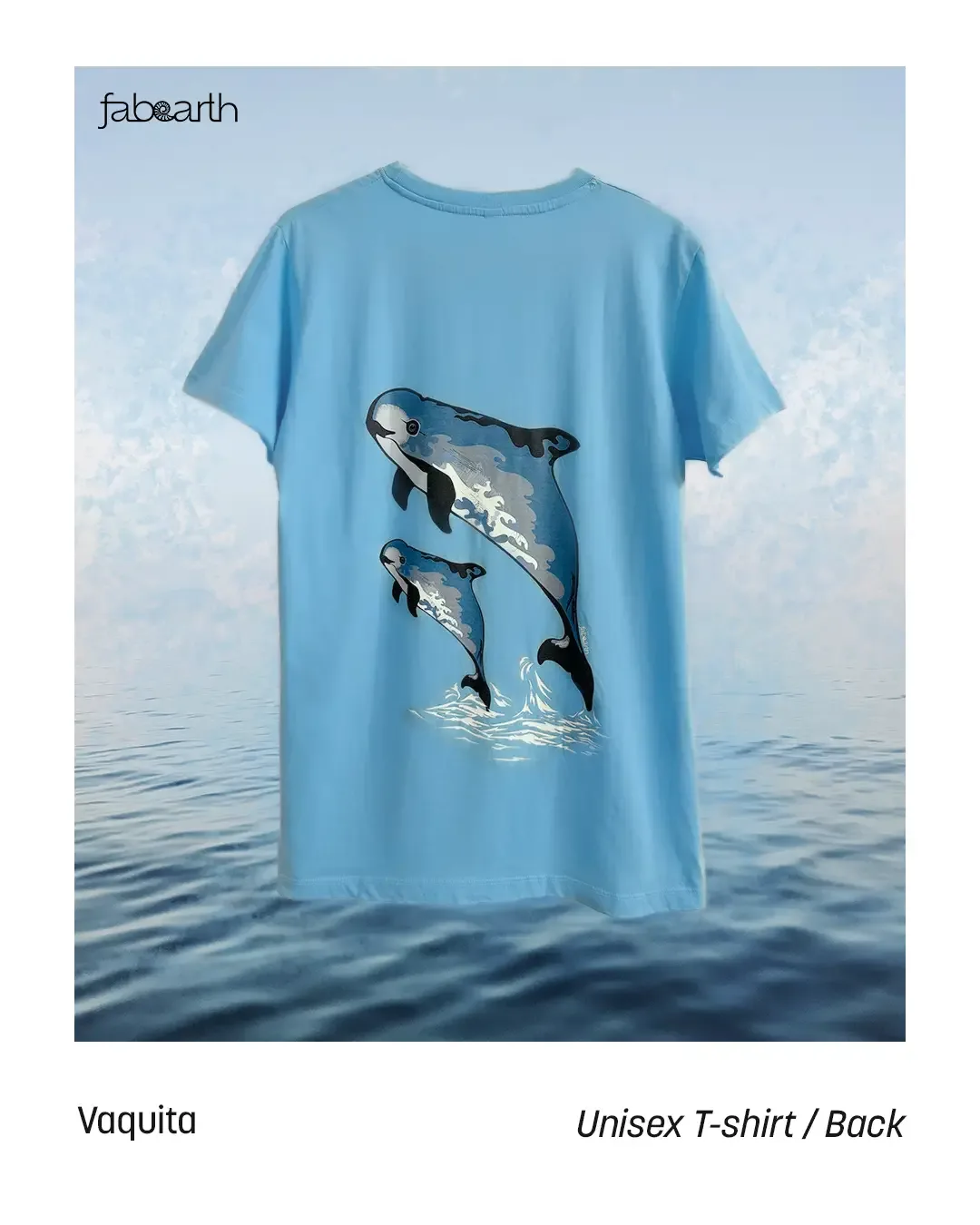
T-shirt Regular Unisex Ocean Blue
₹899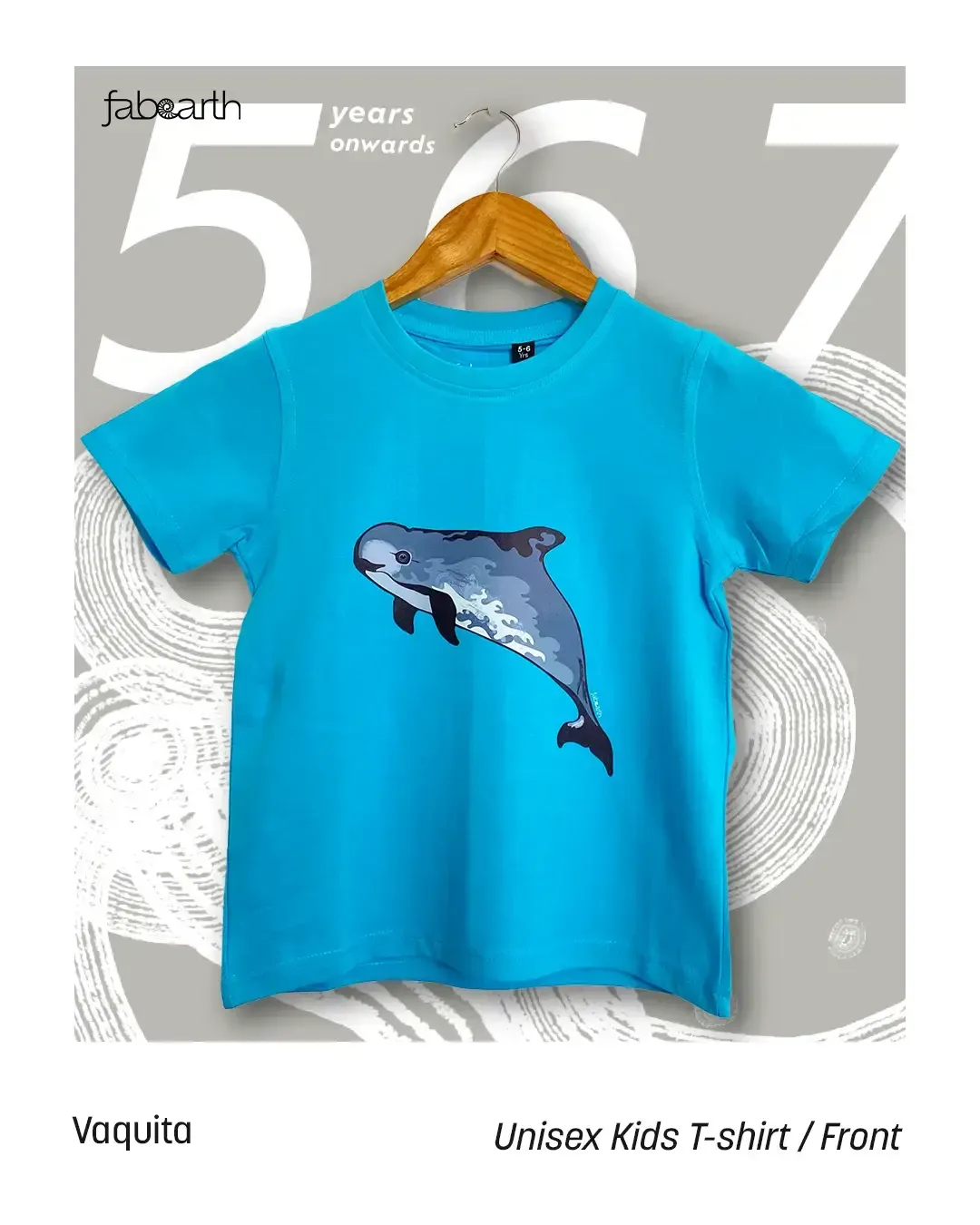
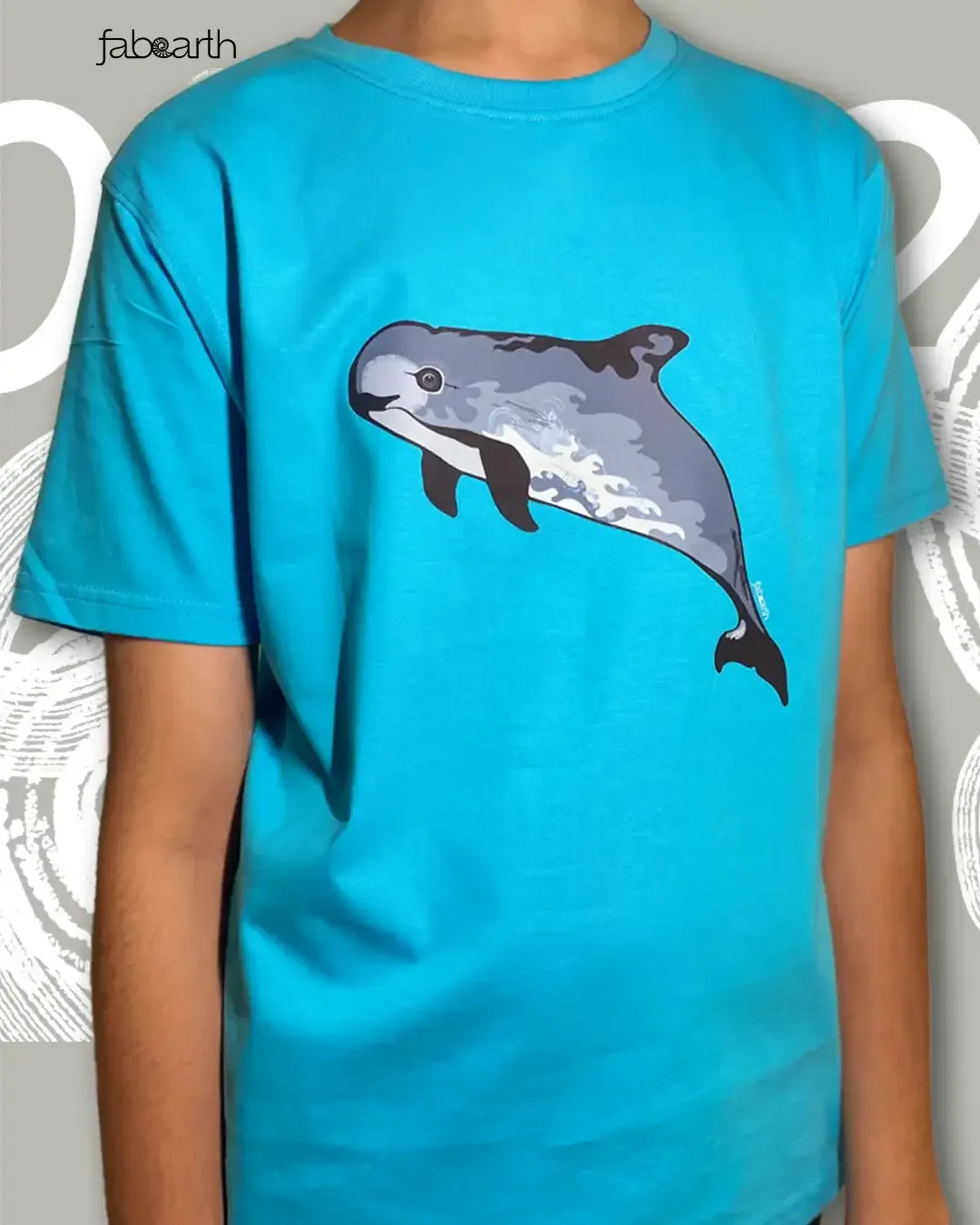
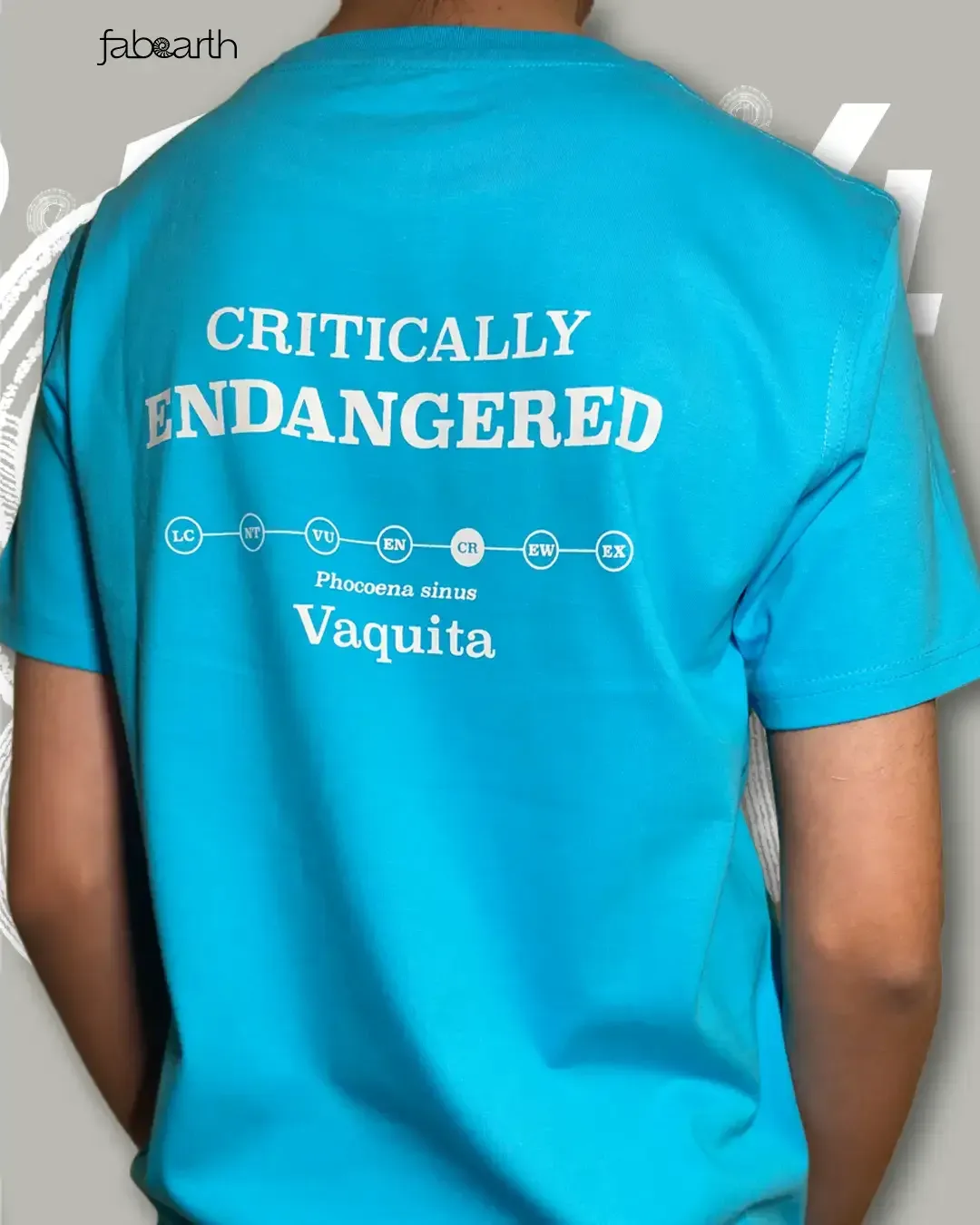
T-shirt Regular Unisex Blue
₹899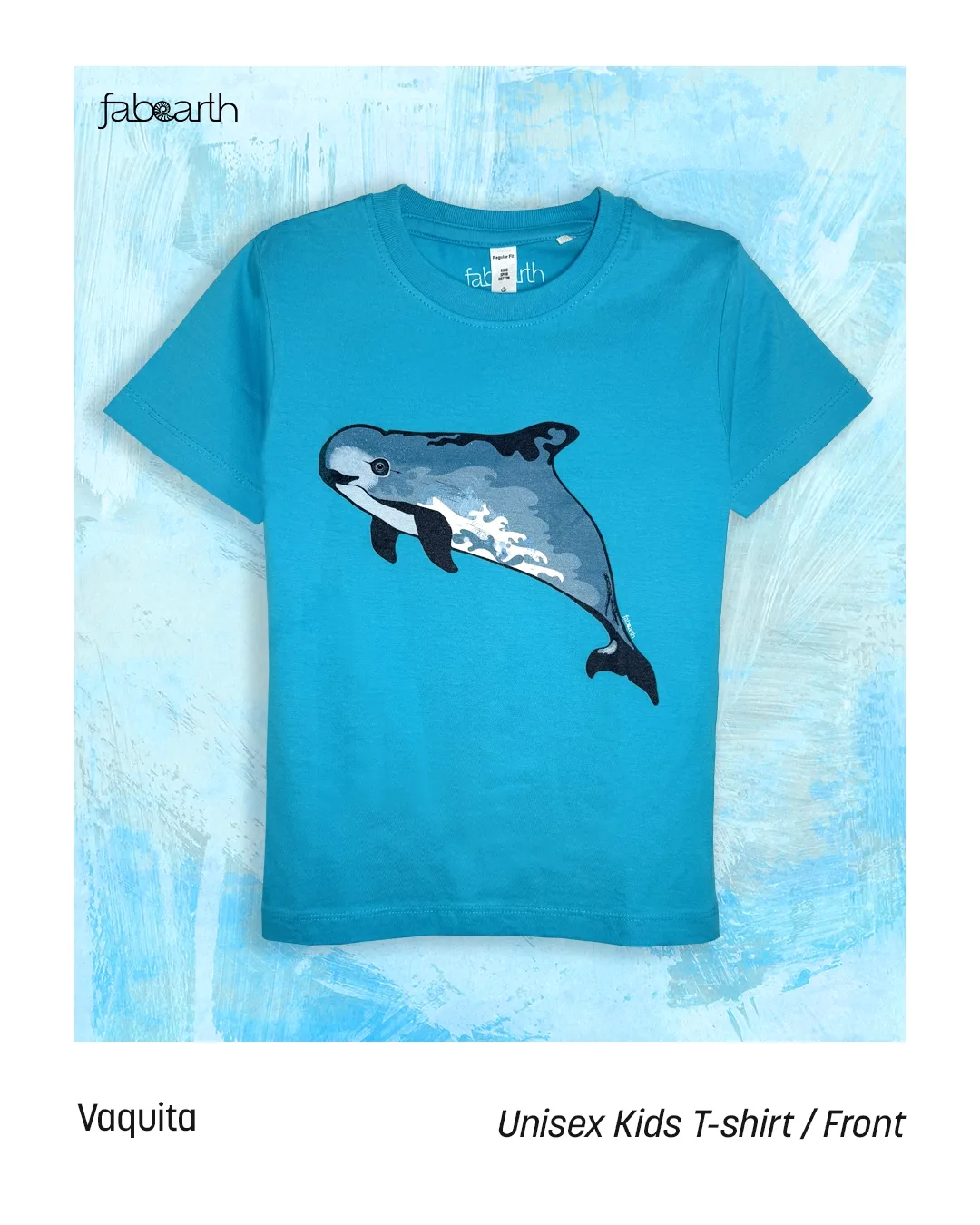
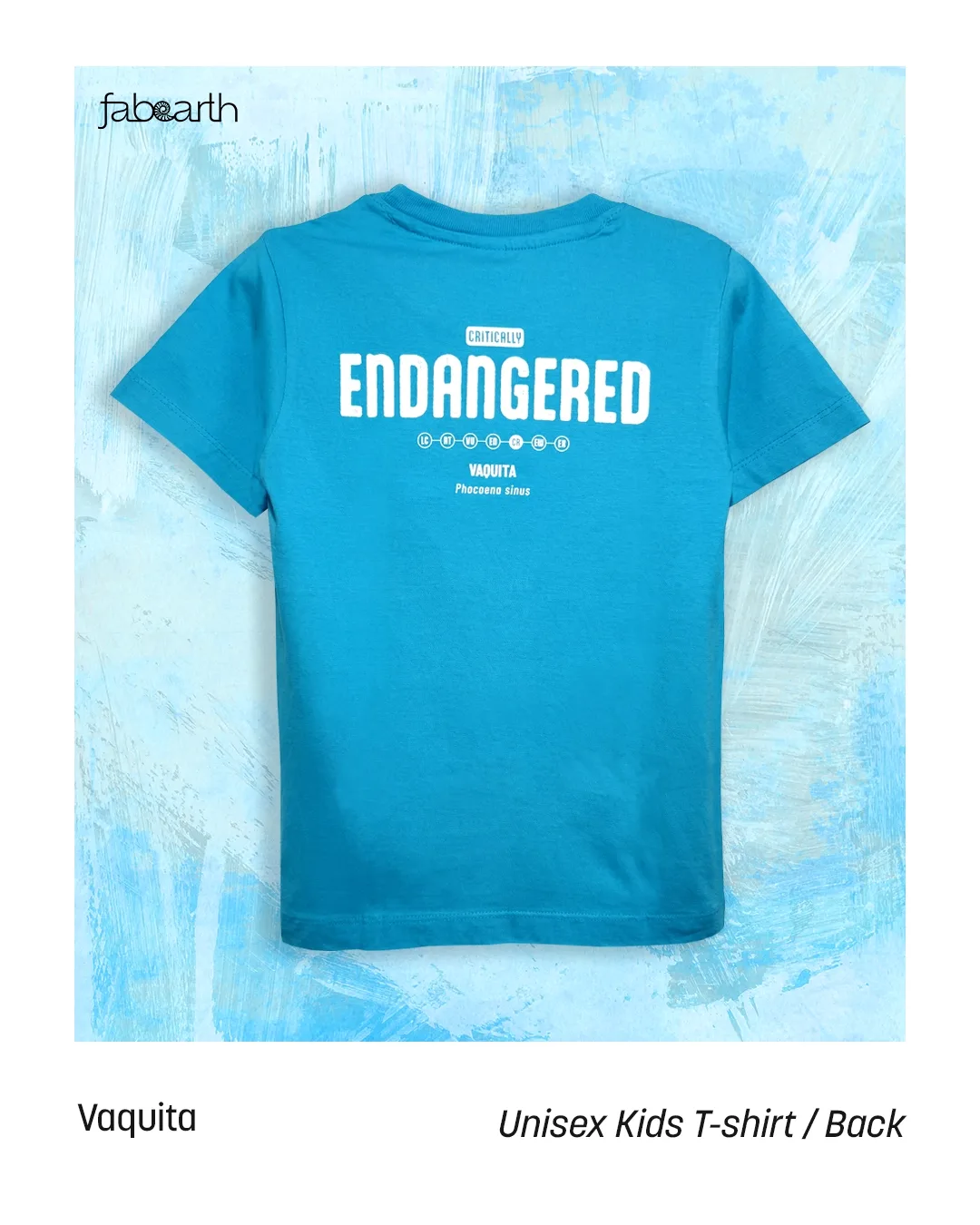
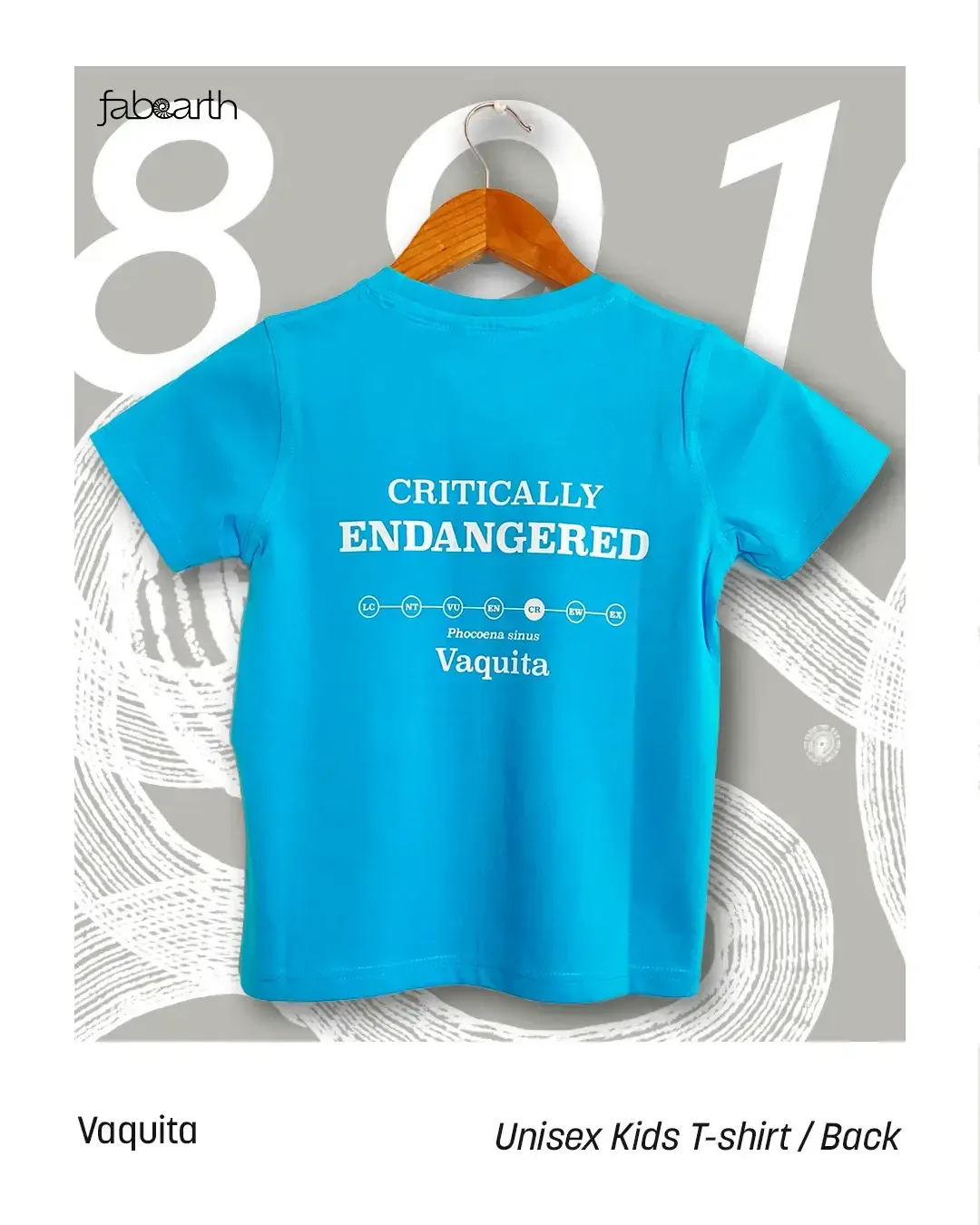
T-shirt Regular Unisex Sky Blue
₹899The porpoise with nowhere else to go
Vaquita (scientific name: Phocoena sinus) is the smallest living cetacean and one of the rarest marine mammals on Earth. Its entire natural range is a small, shallow part of the Upper Gulf of California, Mexico — also called the Sea of Cortez. There is no second population somewhere else.
Its conservation status is Critically Endangered. Recent surveys have found only a handful of individuals, with estimates moving in the single digits to low teens depending on survey conditions. That uncertainty is part of the problem: when a species becomes this rare, even finding it becomes difficult.
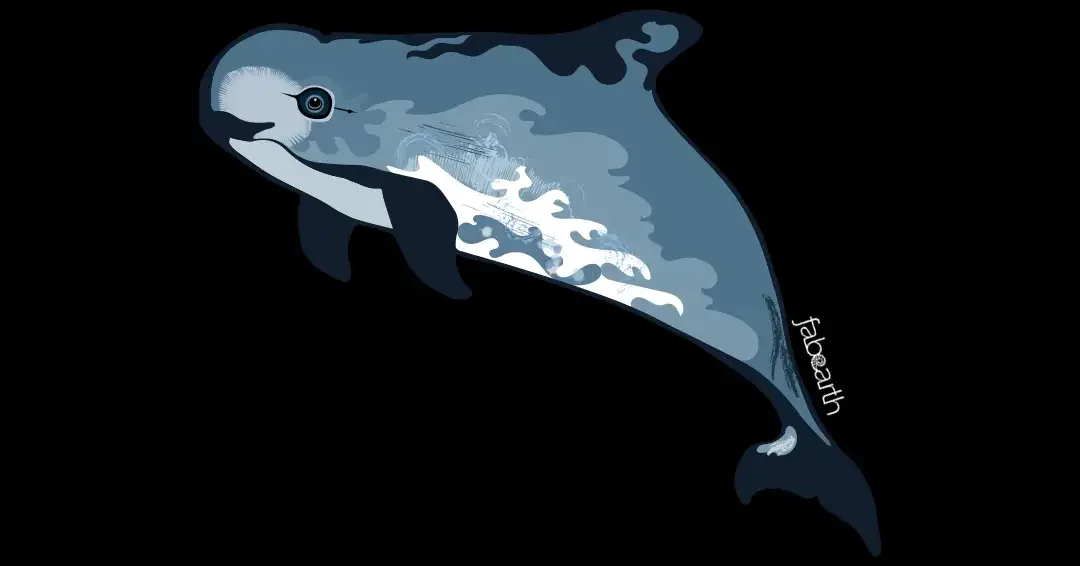
The vaquita was described by science only in 1958. Less than a century later, it is close to disappearing because of gillnets. The nets are set for fish and shrimp, and especially for illegal totoaba fishing; vaquitas are not the target, but they drown when they become entangled.
This is what makes the crisis so stark. The vaquita does not need a new planet, a new ocean, or a captive-breeding miracle. It needs one small stretch of sea to become safe from the nets that kill it.
Why a few survivors still matter
Vaquitas are shy, fast, and hard to observe directly. Scientists often rely on acoustic monitoring because porpoises use clicks to navigate and find prey in murky water. Those sounds can confirm presence even when no animal is seen.
The surviving population is tiny, but it is not automatically beyond hope. Recent surveys have still found healthy-looking animals, and in some years calves or juveniles have been observed. For a species this close to extinction, one breeding female, one calf, or one avoided gillnet can matter.
Watch our short film
This film carries the vaquita's message: extinction can happen not because a species is forgotten, but because the danger around it is allowed to continue.
What recovery depends on
The vaquita's future is unusually clear. Protection has to remove gillnets from the places where the last animals live, keep illegal totoaba fishing out of the refuge, and support fishing communities with gear and livelihoods that do not kill porpoises as bycatch.
The tragedy is that the solution is known. The challenge is whether enforcement, safer fishing, and local trust can move fast enough for the few vaquitas still surfacing in the Upper Gulf.