Snowy Owl
Bubo scandiacus
Arctic hunter, ground-nester, lemming specialist. A single owl eats 1,600 lemmings a year.
Wear it on a T-shirt
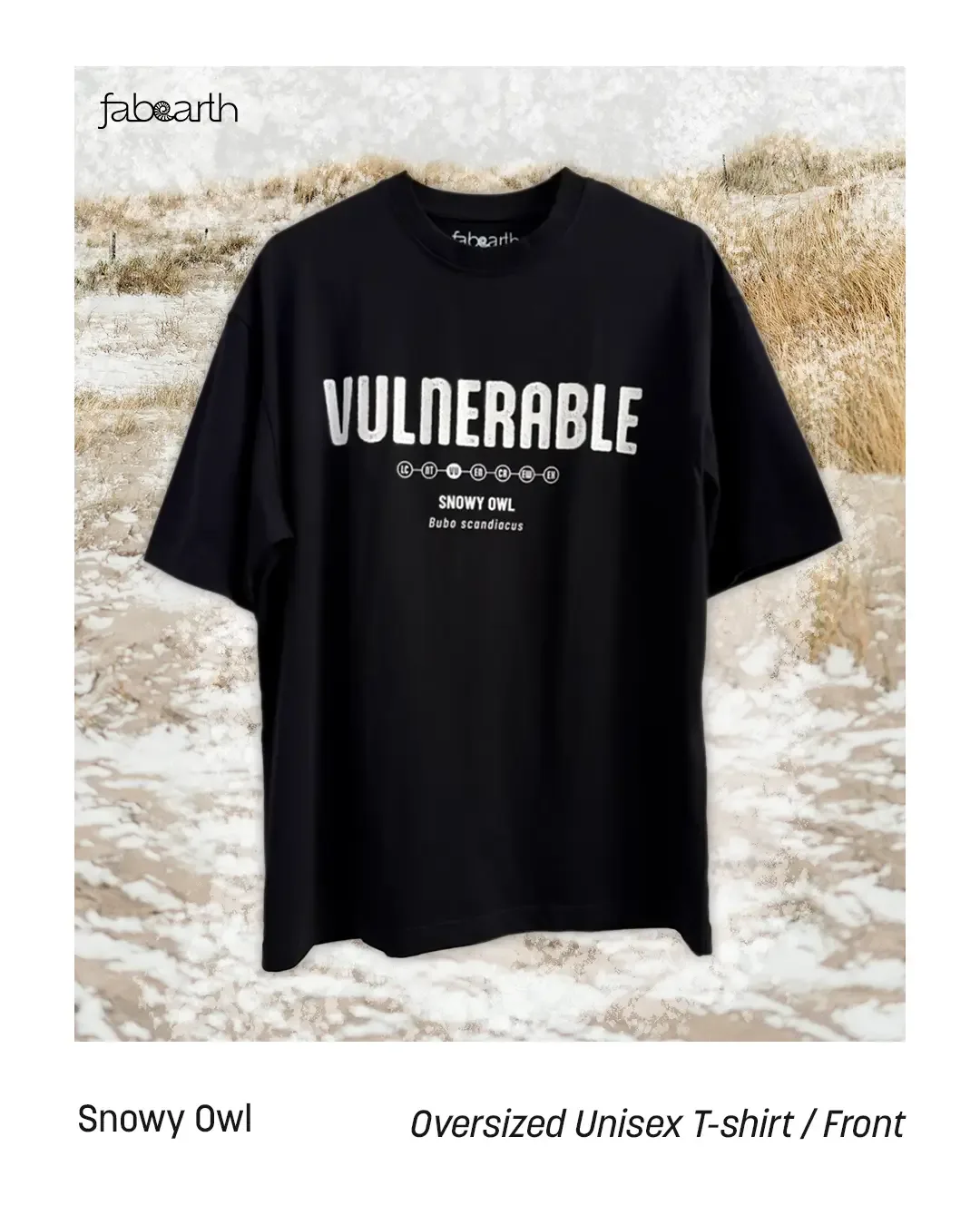
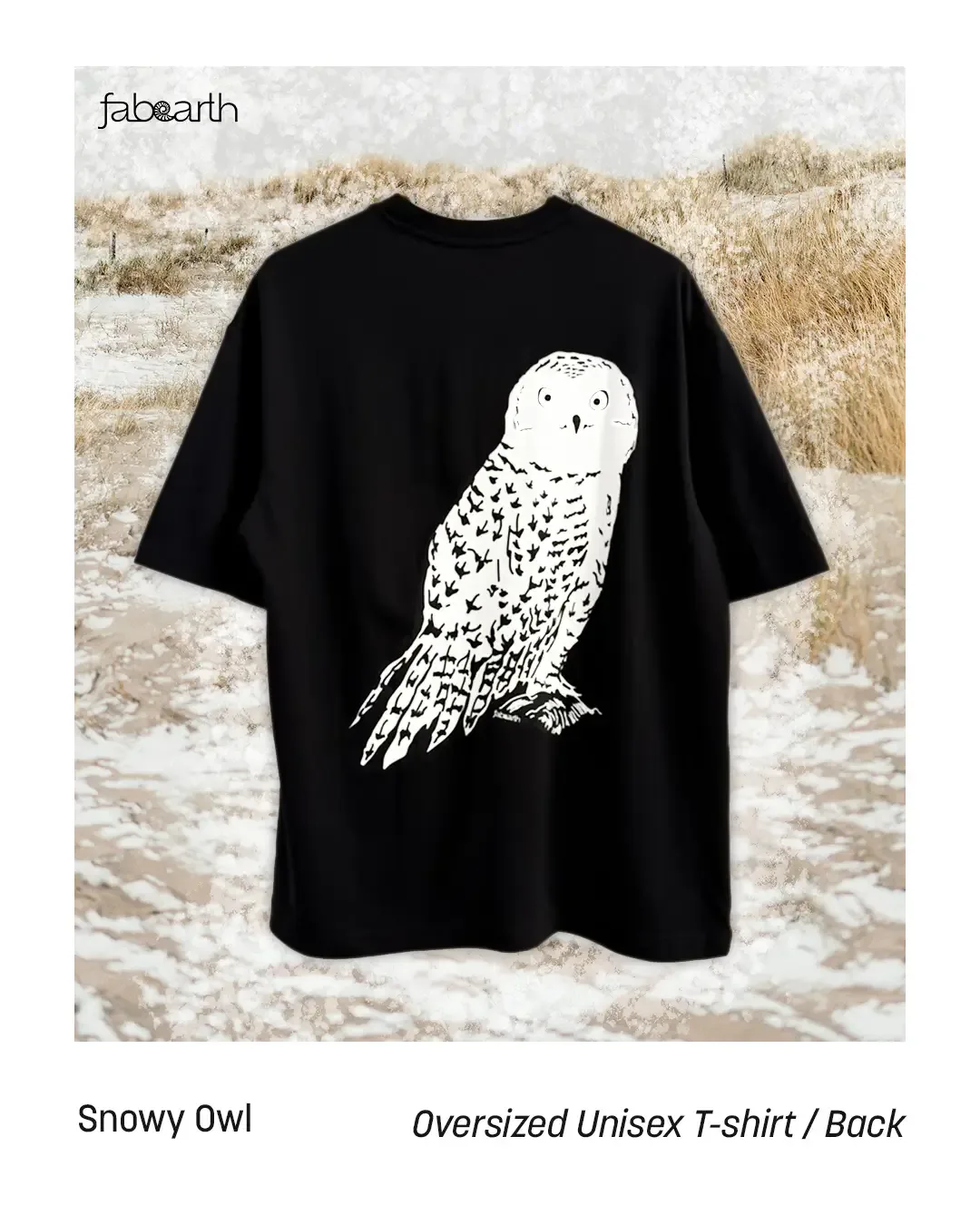
T-shirt Oversize Unisex Black
₹899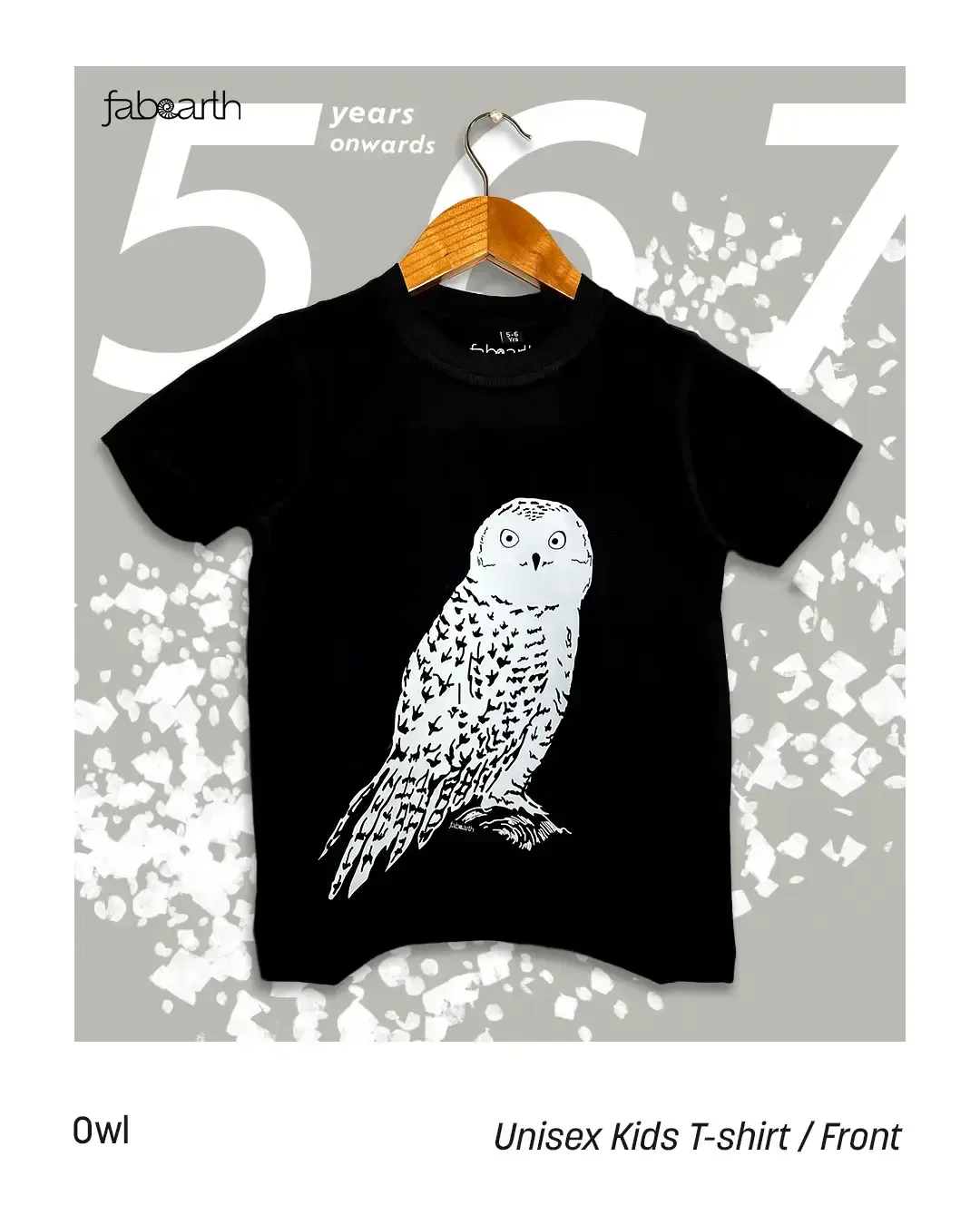
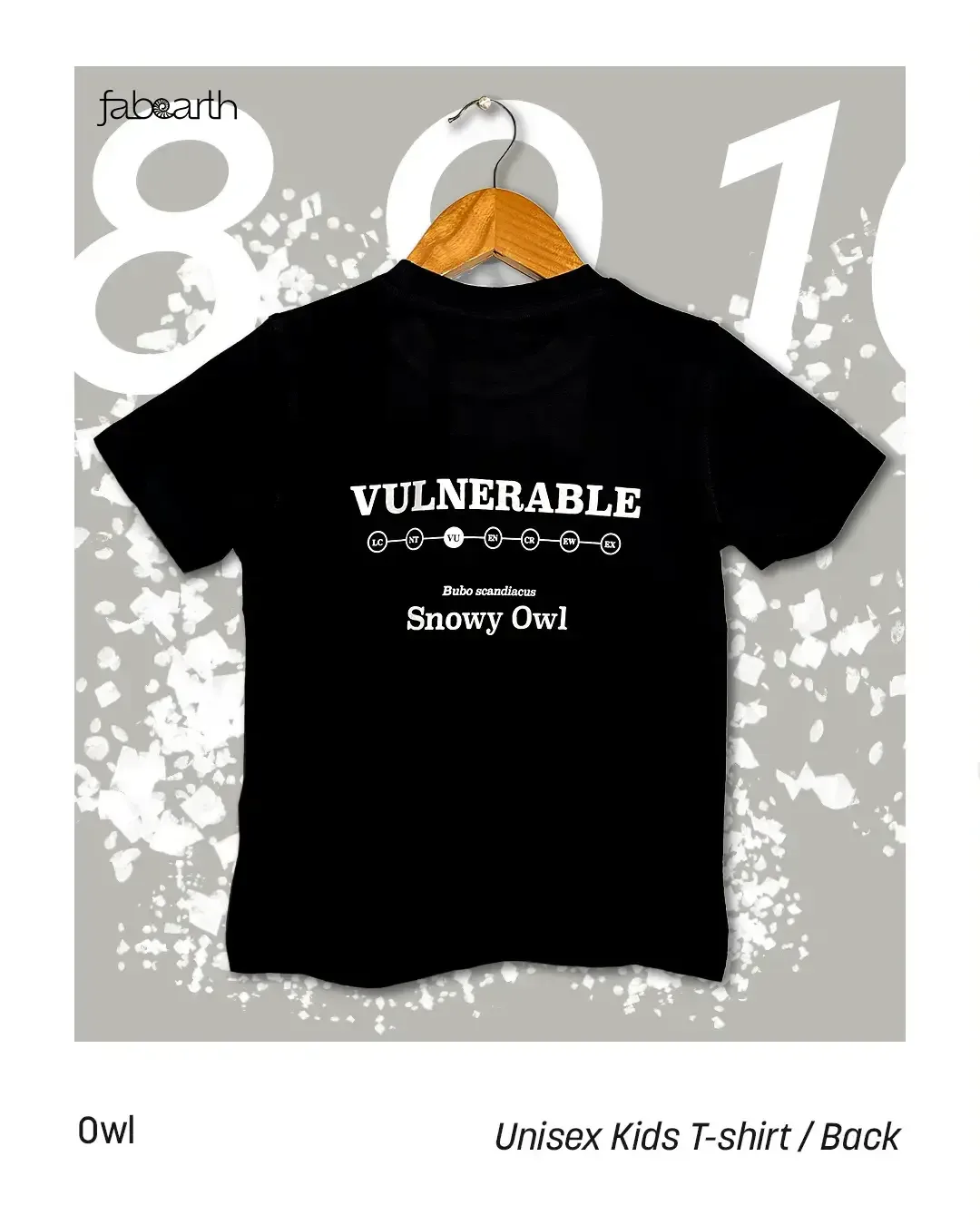
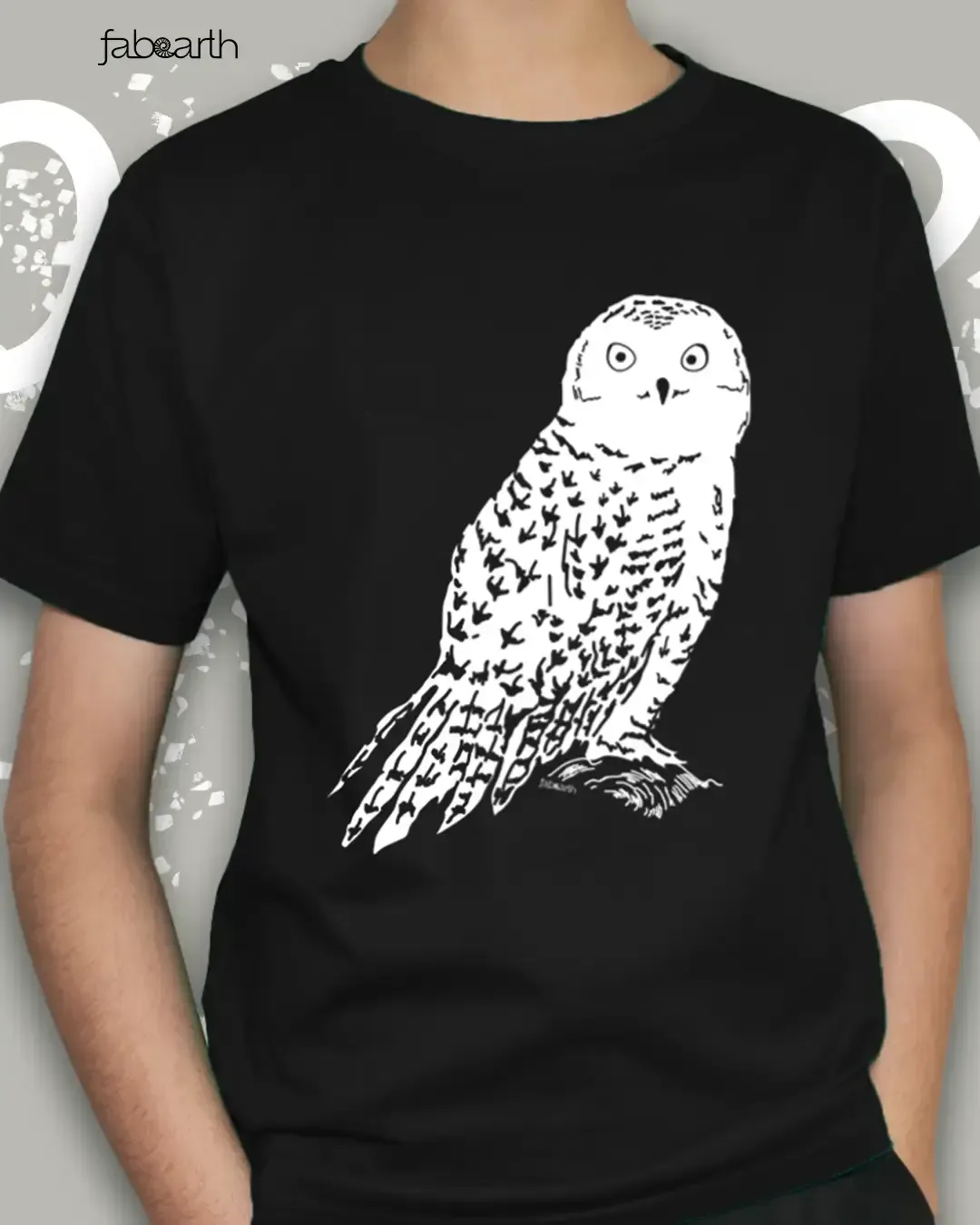
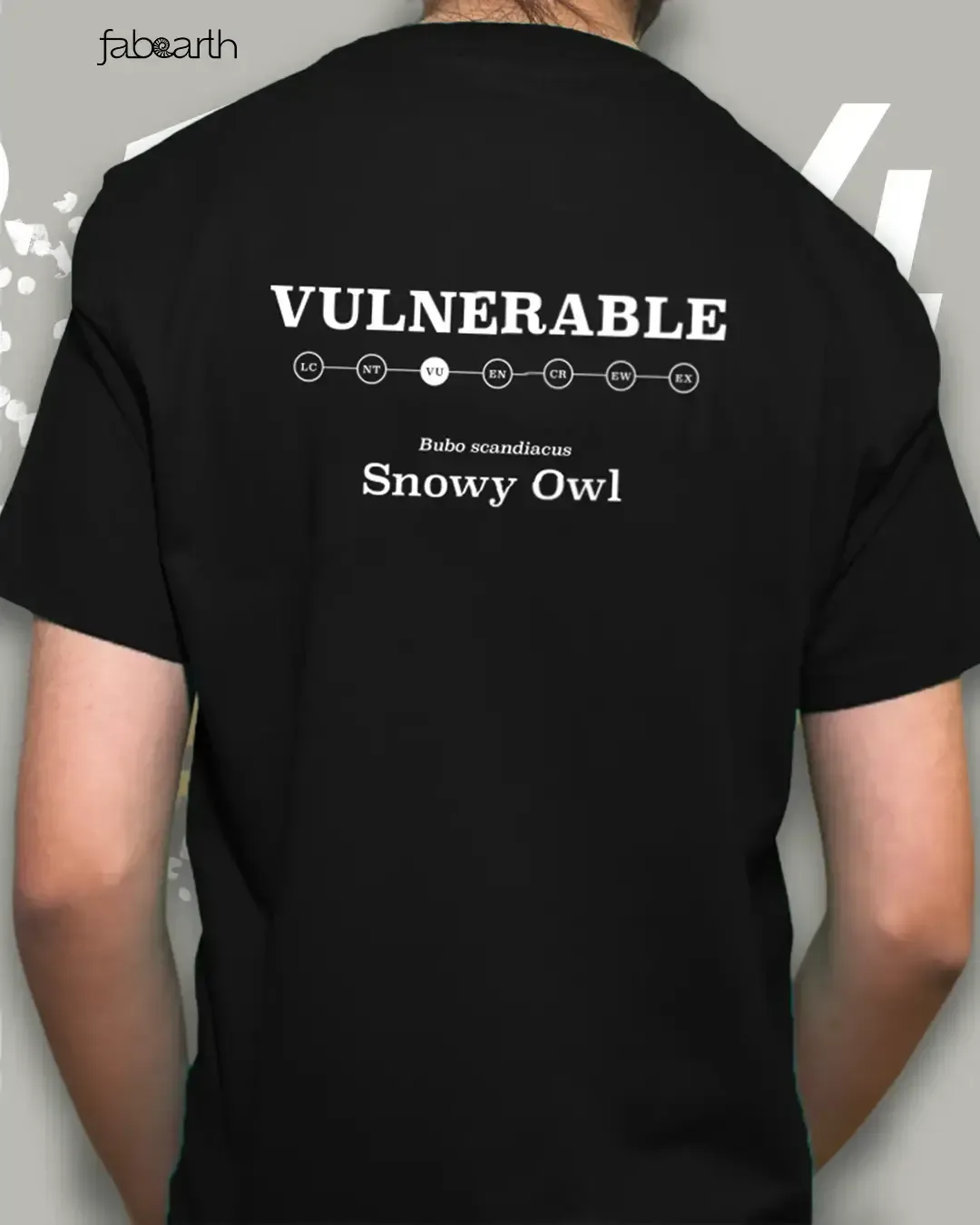
T-shirt Regular Unisex Black
₹899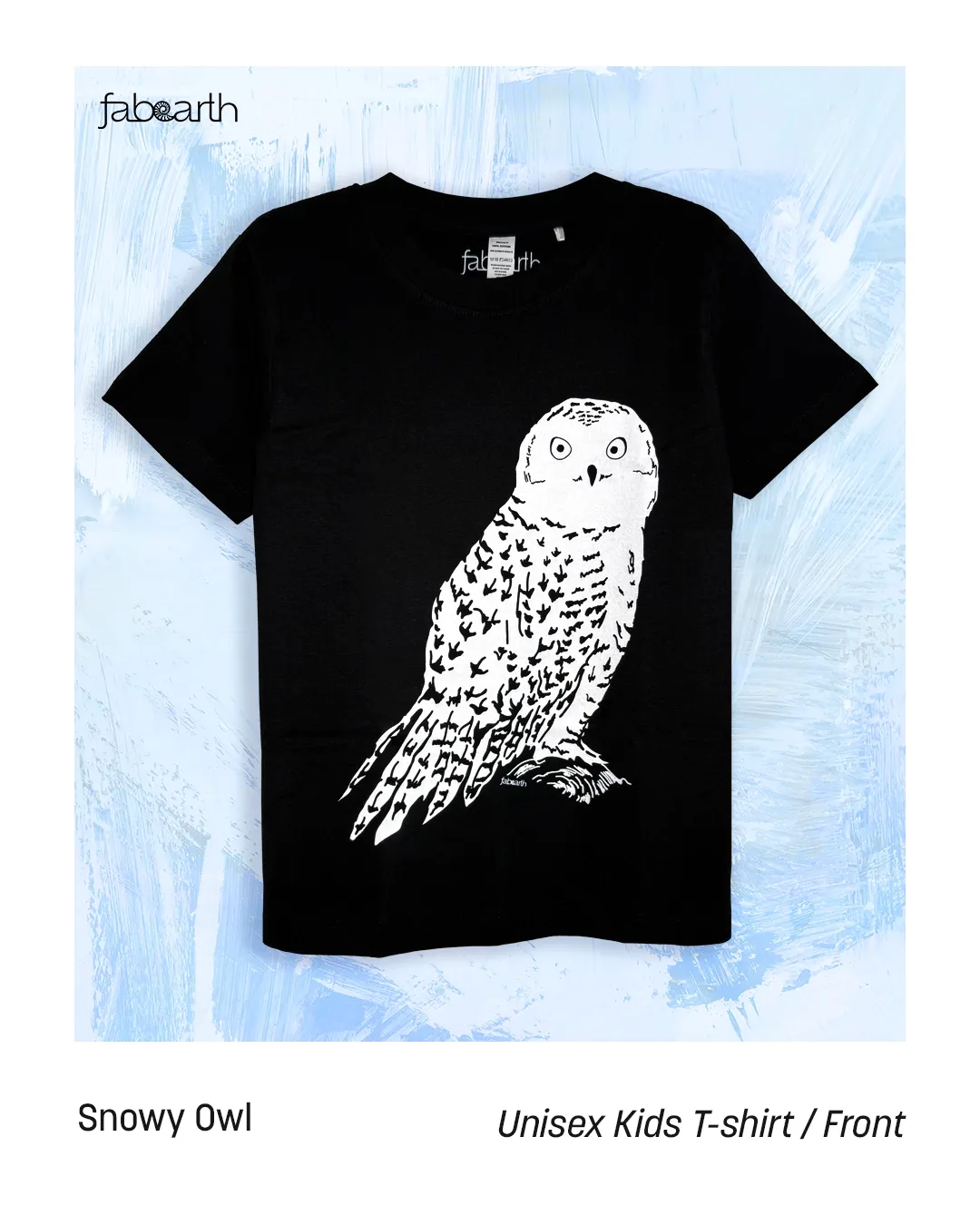
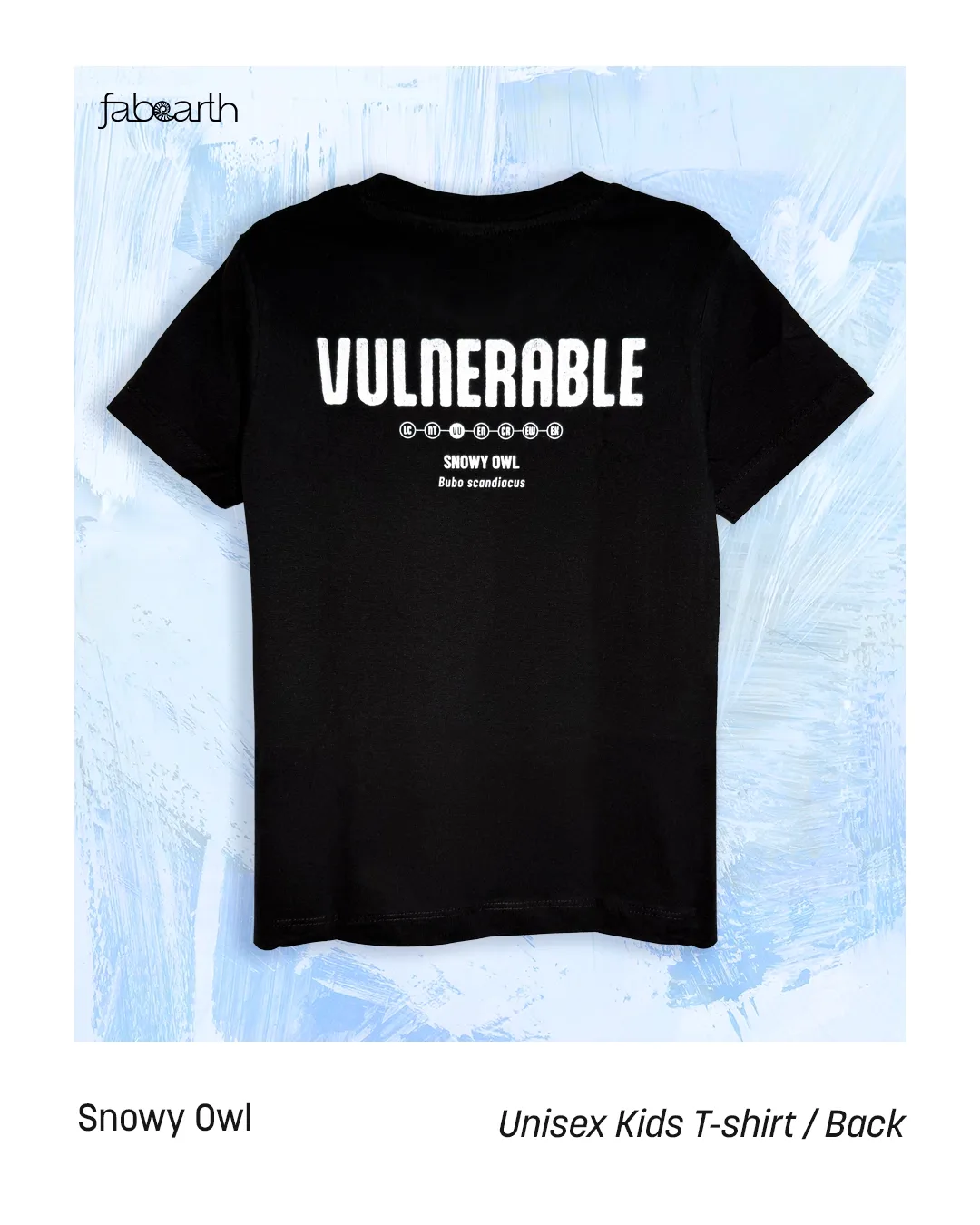
T-shirt Regular Unisex Inky Black
₹899The owl built for open tundra
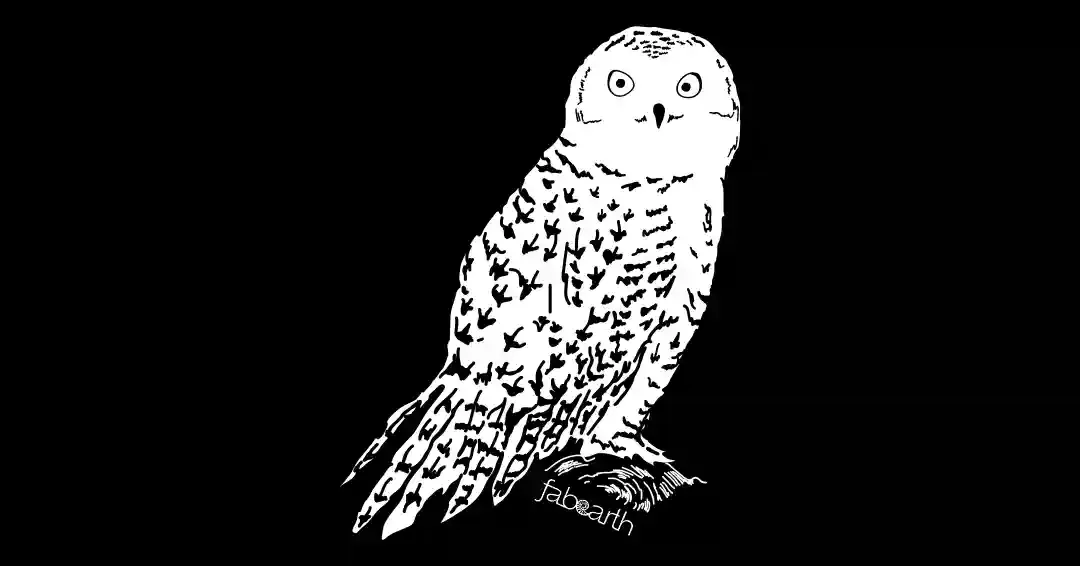
Snowy Owl (scientific name: Bubo scandiacus) is a large Arctic owl built for open country: white plumage for snow and sky, feathered feet for freezing ground, and a hunting style suited to vast tundra rather than forests.
Its conservation status is Vulnerable. The risk is easy to miss because Snowy Owls can appear suddenly and dramatically far south of the Arctic. Those winter movements do not mean the species is secure; they often reflect how closely the owl's life follows food, weather, and breeding success in the north.
Males tend to become whiter with age, while females and young birds keep more dark barring. Unlike many owls, Snowy Owls are active in daylight when Arctic summer never fully darkens. They nest on the ground, often on a low rise with a wide view, and hunt by watching open land for movement.
The lemming connection
Snowy Owls are tied to lemmings in a way that makes the tundra feel like a pulse. In good lemming years, pairs may raise large broods. In poor years, they may skip breeding or move elsewhere. A single adult can eat hundreds of lemmings in a season, and a nesting pair must feed both itself and a fast-growing clutch.
That link makes the owl a visible signal of Arctic change. When snow cover, rain-on-snow events, vegetation, or prey cycles shift, the effect can travel upward through the food web. The owl is not just a predator on the tundra; it is a reader of the tundra's condition.
Why recovery is hard to measure
Snowy Owls are nomadic. They do not return neatly to the same visible colony each year, and their breeding range spans remote Arctic regions across North America, Greenland, Europe, and Asia. That makes population counts difficult and can hide decline behind occasional spectacular winter irruptions.
Protecting the species means protecting more than individual birds. It means reducing disturbance around wintering owls, keeping open Arctic and coastal habitats functional, and understanding how a warming north reshapes the lemming cycles that make Snowy Owl breeding possible.